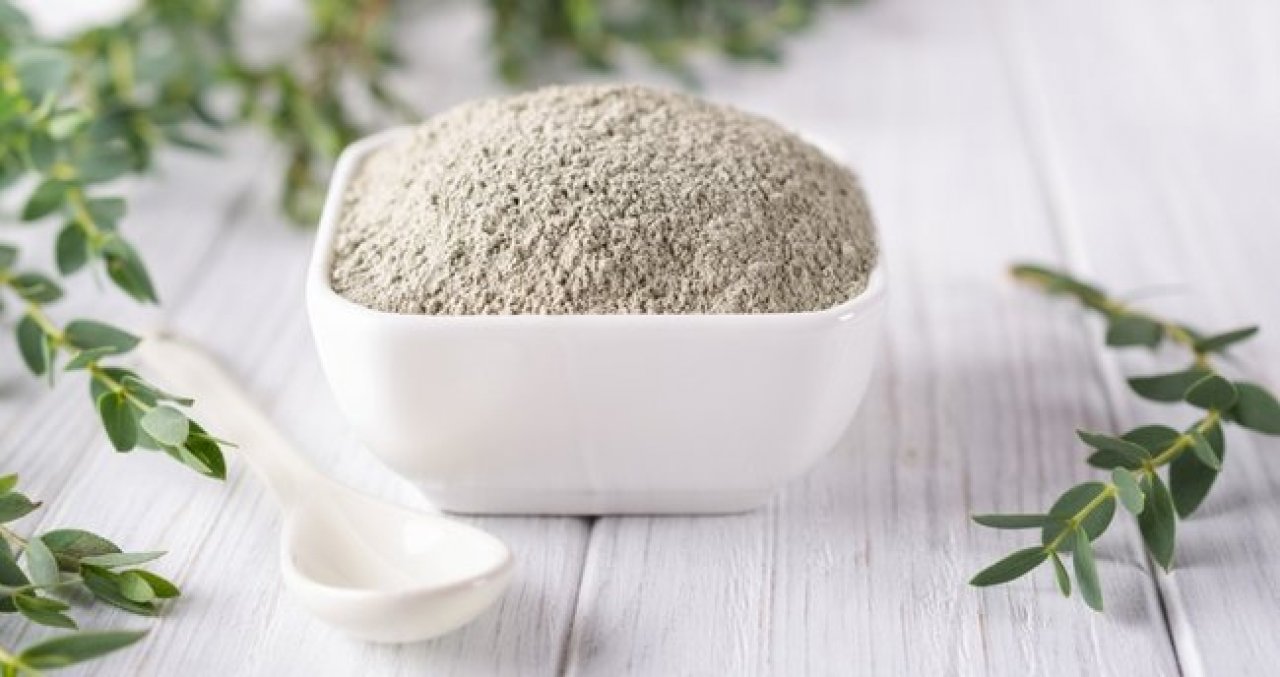
Bentonite is one of the basic clarification materials used in the clarification of protein-containing beverages such as fruit juice, wine, etc.
Bentonite is one of the basic clarification materials used in the clarification of protein-containing beverages such as fruit juice, wine, etc.
It is used in wine, beer and fruit juice clarification processes in the food industry. In the oil industry, it is used as bleach. Bentonite, which is frequently used especially in wine production, provides easy clarification and protein stabilization of wine.
Bentonite often gives better results in combination with gelatin and silicasol (Levasil).
The amount of bentonite to be used for clarification and stabilization should be determined by preliminary tests.
Tannins, proteins, metal compounds, color substances and pectic substances that cause turbidity in wines must be removed. These substances causing turbidity are removed from the wine with food-grade auxiliaries such as bentonite, gelatin and kiselsol. During clarification, bentonite swells in the wine, while giving Ca, Na, Mg ions to the wine.
Instead of these separated substances, protein molecules in the wine settle, as a result bentonite swells and settles to the bottom as sediment. Thus, the turbid proteins are removed from the wine by transfer.
After bentonite clarification, separator clarification should be followed by clear filtration. If these are not applied, wait one week.
Bentonite is a clarifying soil and is important in terms of stabilizing proteins. Other benefits are that it absorbs some of the iron and copper in the environment and protects the wine against iron and copper fractures. It has a negative effect against oxidases and protects the wine from oxidation. As a result, less sulfur dioxide is used. Initially bentonite clarified wine undergoes a calmer fermentation; the quality of the wine improves, good bouquet is formed.
Bentonite is not recommended for red wines as it absorbs color substances in wines and causes discoloration, especially in red wines. In some years, bentonite clarification may be used exceptionally for red wines that contain a lot of tannins and have a high protein content.
Small taste and odor defects are absorbed and slight color defects are eliminated. With calcium bentonite, the high CO2 content in wines can be reduced. In addition, bentonite can absorb a large amount of biogenic amines such as histamine in wine.