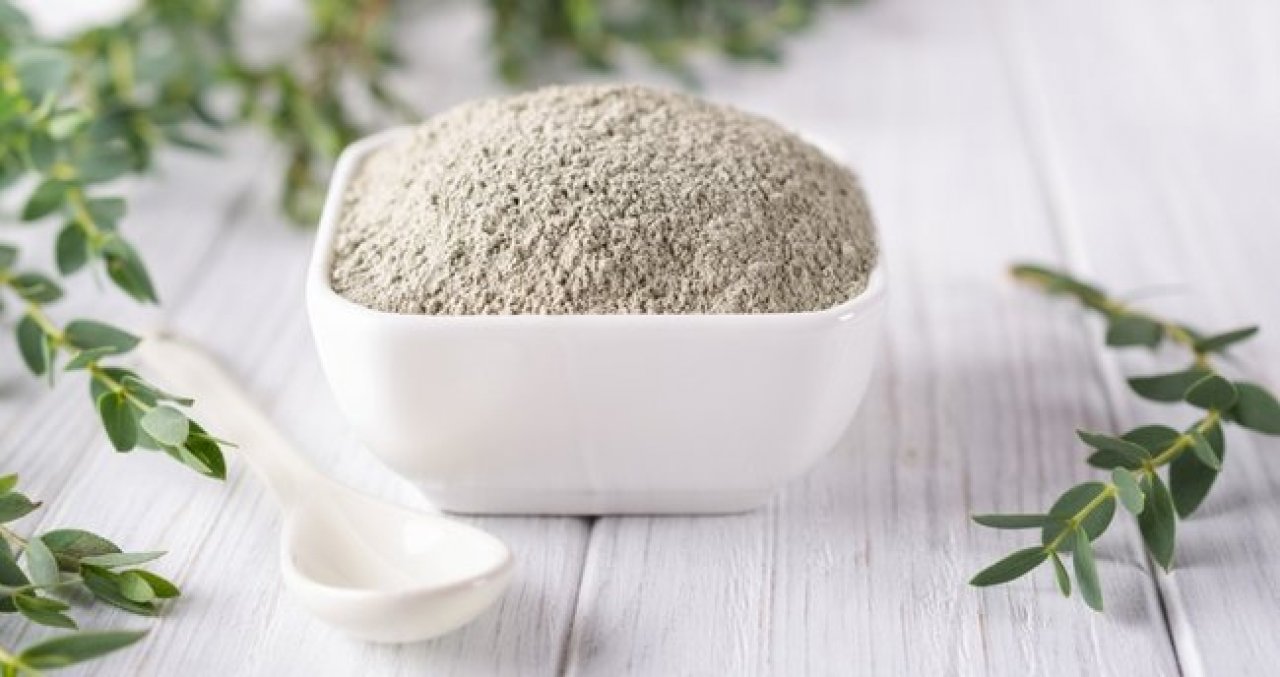
Bentonite Sulfur is an effective product that can be applied to dissolve the lime and salinity of the soil, increase soil acidity and lower the pH of the soil. It also allows the soil to breathe and adjusts its tension, and helps to adjust the temperature of the soil in the cold months.
It facilitates the uptake of macro (nitrogen, phosphorus, potash and similar) and micro (zinc, iron, cobalt, manganese, etc.) nutrients that the soil cannot absorb due to high pH. Since it is in the form of elemental sulfur, it is approximately four times more effective than sulfate and similar bound sulfur forms. It helps to regulate the temperature of the soil in cold seasons.
Bentonite is a soft, porous and easily shaped open rock consisting of clay minerals with very small crystals formed by chemical weathering or decomposition of volcanic ash, tuff and lava rich in aluminum and magnesium. The importance of bentonite for agriculture is that the minerals in it have a doping effect for plants.
Bentonite, which provides the inorganic minerals necessary for the plant, provides a highly suitable nutrition for the plant with the addition of organic materials (carbon-containing) produced by various methods.