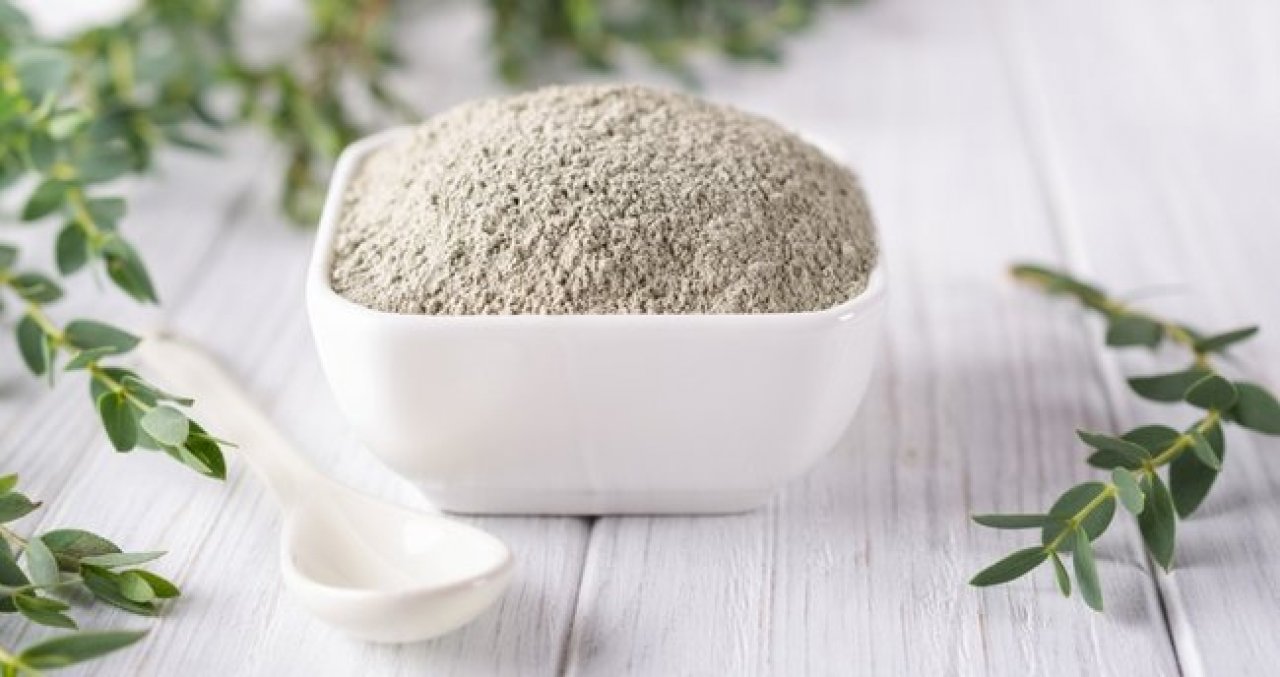
For many years, bentonite has been used as a filler in developed countries instead of the traditional raw material calcite. Bentonite gives very good retention performance when used with high molecular weight flocculants.
Bentonite has anionic charge density on the surface and cationic charge density on the edges. Bentonites with anionic edges are used for the retention of crumb or powder fibers.
The use of bentonite in the paper production industry;
- Increases production quantity.
- Increases adhesion and facilitates percolation.
- Increases wet strength stability.
- Increases the effectiveness of fillers.
- Contributes to the cleanliness of the paper machine.
The high amount of both soluble and insoluble anionic contaminants in chemical, mechanical and waste pulps creates difficulties in neutralizing the wet end of paper production with coagulants.
To operate effectively in these situations, interception systems that do not require load neutralization are suitable. These flocculation mechanisms involve the direct reaction of the first component with the second component.
The retention of fine crumb and powdered fiber particles and fillers occurs by retention in a molecular network. One of the most common systems utilizing this theory is the combination of bentonite with very slightly ionic polyacrylamide (PAM).
Bentonite performs very well when used in combination with high molecular weight flocculants. PAM used with bentonite usually has a high molecular weight and a small anionic charge.
The reaction between bentonite and PAM forms the mechanism of flocculation (formation of macroparticles or clusters with crumbs, powdered fibers and fillers) particles and fillers in the form of a mesh network. Bentonite acts like a microscopic sponge, absorbing anionically charged substances.