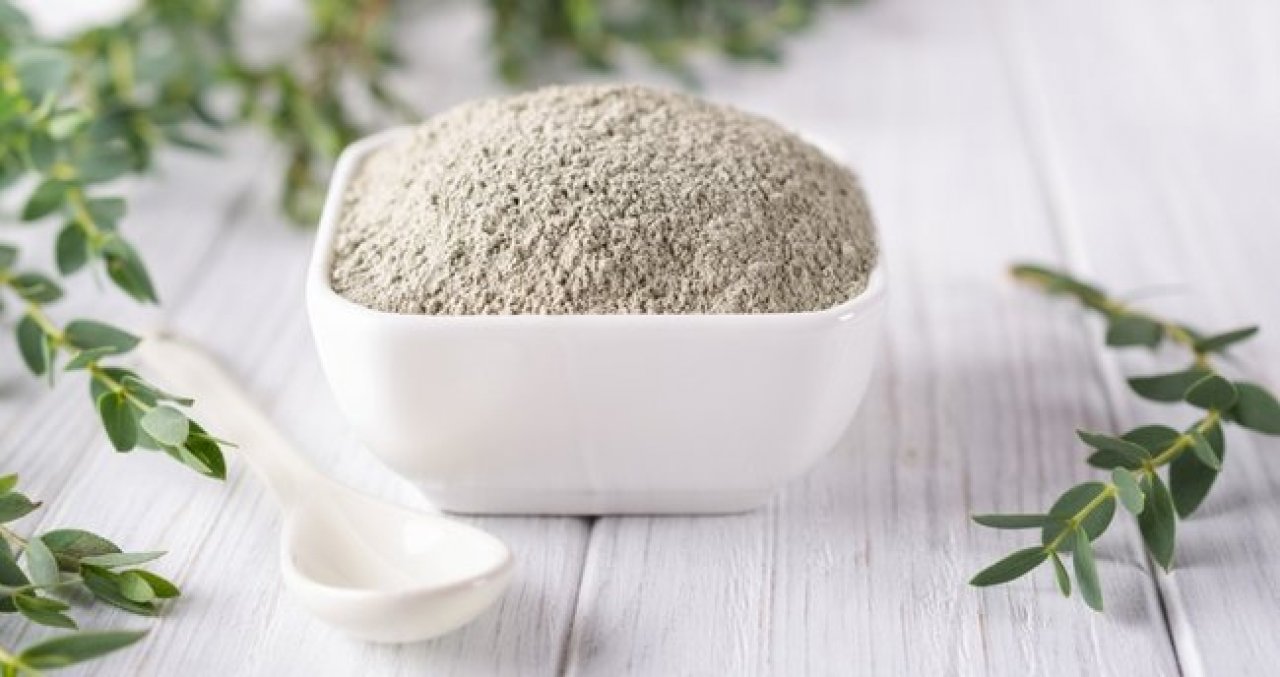
Bentonite is a multifunctional, highly natural toxin binder. Apart from toxins, it regulates the Ph in ruminant animals and helps digestion of feed. It increases the shelf life and quality of feed.
- Thanks to its cationic structure, bentonite is used as a binder, plasticizer and anti-caking agent in feed.
- It is used by feed manufacturers to prevent risks associated with sudden and risky changes in feed formulas.
- Bentonite slows down the rate of passage of feed through the digestive tract, helping feed to be better absorbed.
- Bentonite is a natural mineral that directly increases feed utilization.
- Bentonite positively affects intestinal health and helps digestion in animal feed.
- Bentonite offers large surface areas for cation exchange thanks to its porous structure.
- Bentonite has high absorption power. In this way, it retains ammonium, toxins and heavy metals.
- While other binders retain toxins as well as all vitamins, minerals, amino acids and nutrients, bentonite only binds toxins.
- Helps with feed fluidity.
- Increases the shelf life and quality of feed.
- Absorbs excess moisture in the feed.
- It helps to reduce producer costs thanks to its affordable price.
- It is very effective in increasing animal productivity.
- Regulates ruminant pH, prevents acidosis-related disorders.
- Since it is used in fattening feeds, it helps to prevent foot problems even if high levels of concentrate feed are consumed.
- In feed production, manufacturers use between 5-10 kg / ton depending on the type of feed to be produced.
- Thanks to its retention, bentonite improves feed pellet quality considerably.